Copyright © 2018


POMPEII EXCAVATIONS
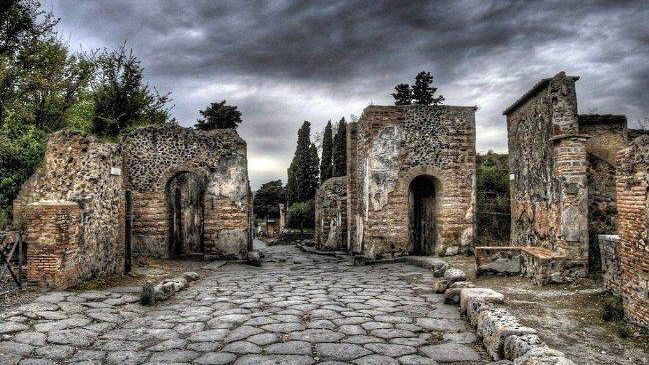
It is one of the most extraordinary and best-preserved testimonies of Roman history, whose origins date back to the 9th century BC and which came to an end in AD 79, when, following the eruption of Mount Vesuvius, it was buried under a layer of ash and lapilli approximately six meters high.
Its rediscovery and the archaeological excavations, which began in 1748, brought to light a site that was added to the UNESCO World Heritage List in 1997 and is now the second most visited monument in Italy after the Colosseum, Roman Forum, and Palatine Hill museum complex.
CIRCUITO ARCHEOLOGICO



HERCULANEUM
OPLONTIS
VESUVIO
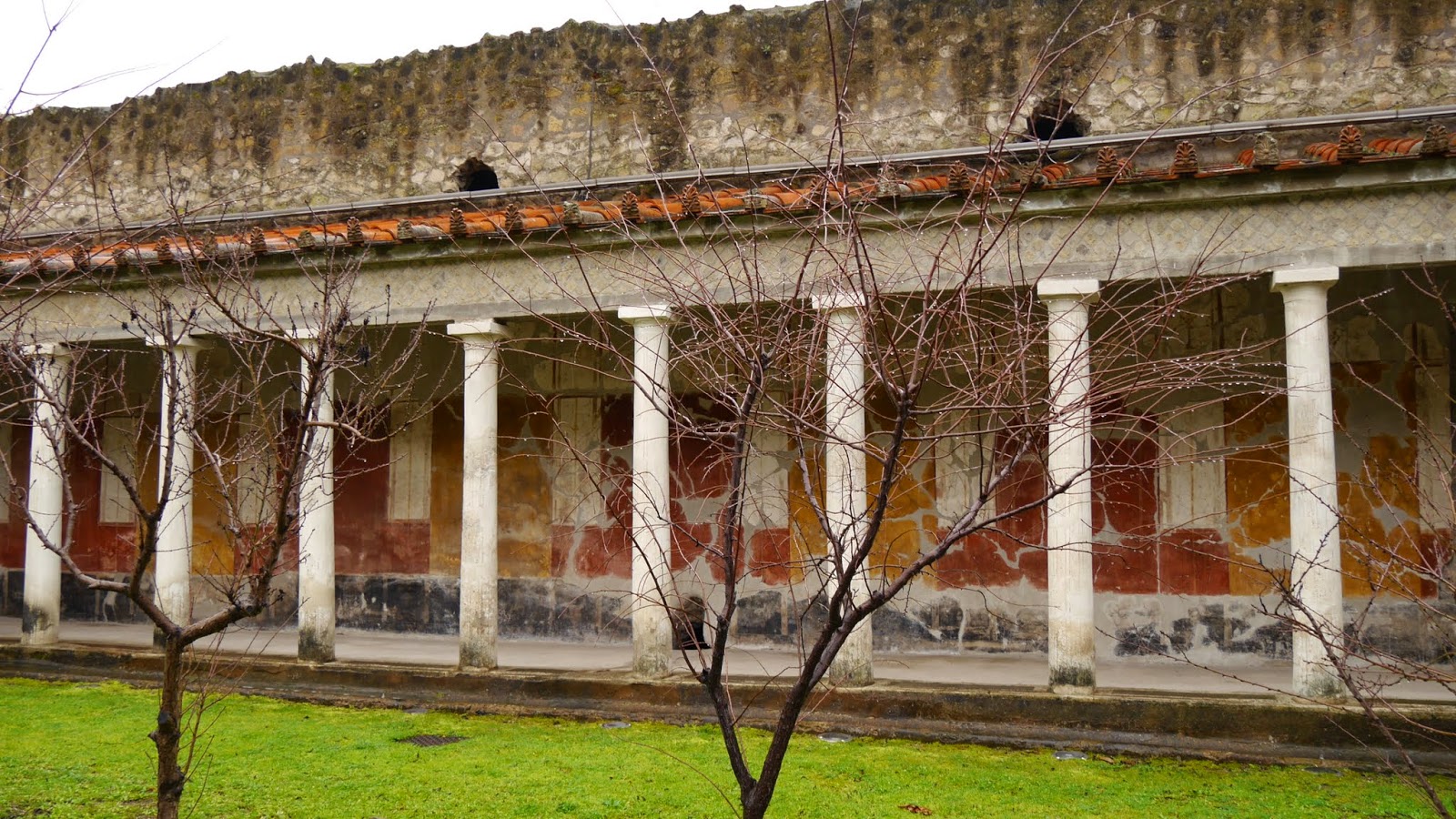
Herculaneum represents the natural complement to Pompeii. Although dating from the same period, the two sites present substantial differences that make a visit to both essential for the attentive traveler. What most clearly distinguishes Herculaneum from Pompeii is the exceptional preservation of the upper floors of its buildings, which have remained intact.
One of the most dangerous volcanoes in Europe, still active and in a state of quiescence since 1944, the year of its last eruption. Walking along the crater rim offers a memorable experience, with breathtaking views over the Gulf of Naples.
The only archaeological complex that has not been fully brought to light is a large residential villa, known as the Villa of Poppaea, as it may have belonged to Poppaea Sabina, the second wife of Emperor Nero, or to her family’s estate.


Reggia di Caserta
Museo Archeologico
Ville Stabiane
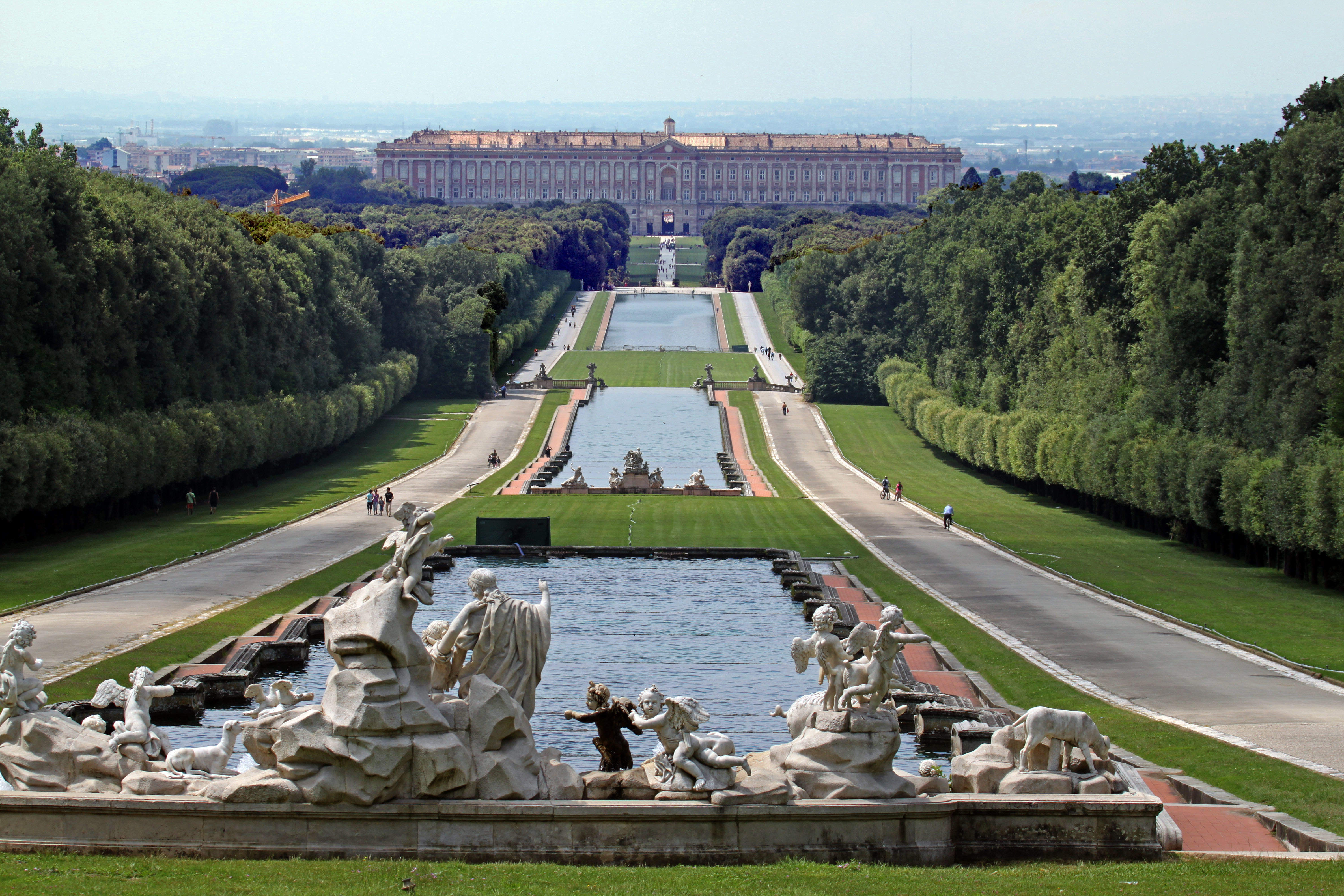
The Royal Palace of Caserta is a royal residence with an adjoining park. It is the largest royal residence in the world by volume, and its historic owners were the Bourbon kings of Naples, with a brief period of occupancy by the Murat family. The palace park stretches for 3 kilometers and features both an Italian-style garden and an English-style garden.
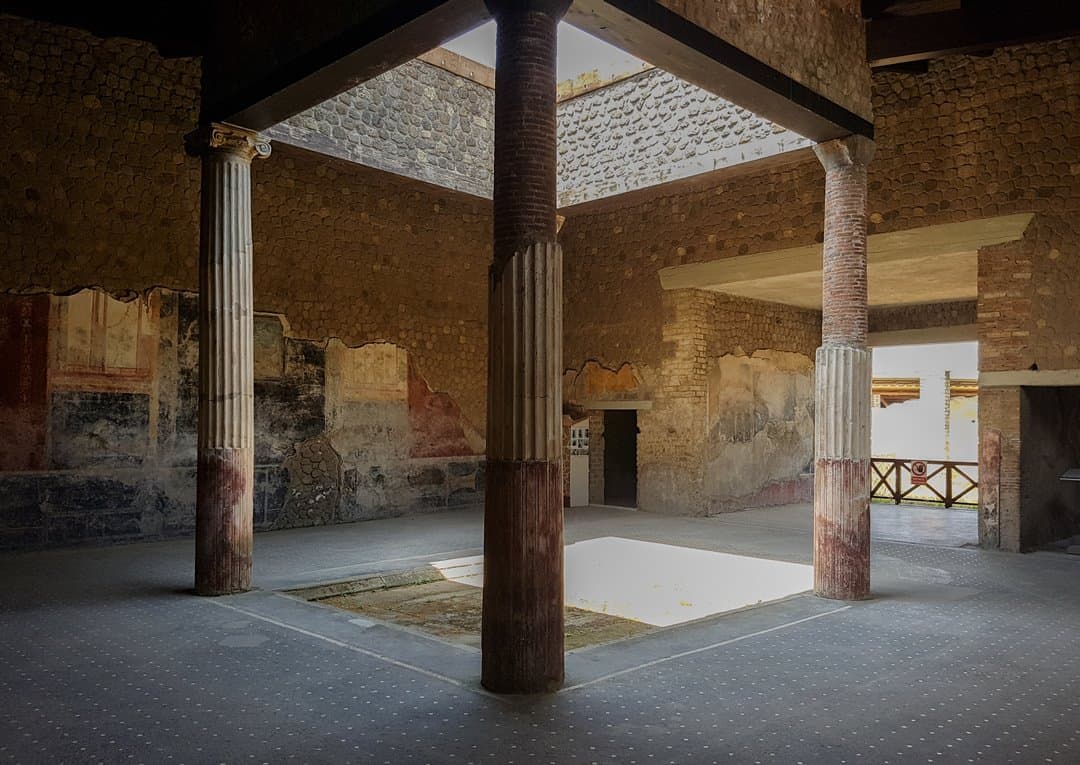
The only two villas uncovered in the ancient residential area of Stabiae, now Castellammare di Stabia, are Villa San Marco, which, with an area of 11,000 sq. m., is one of the largest Roman residential villas, and Villa Arianna, the oldest, named after the large mythological fresco discovered inside.
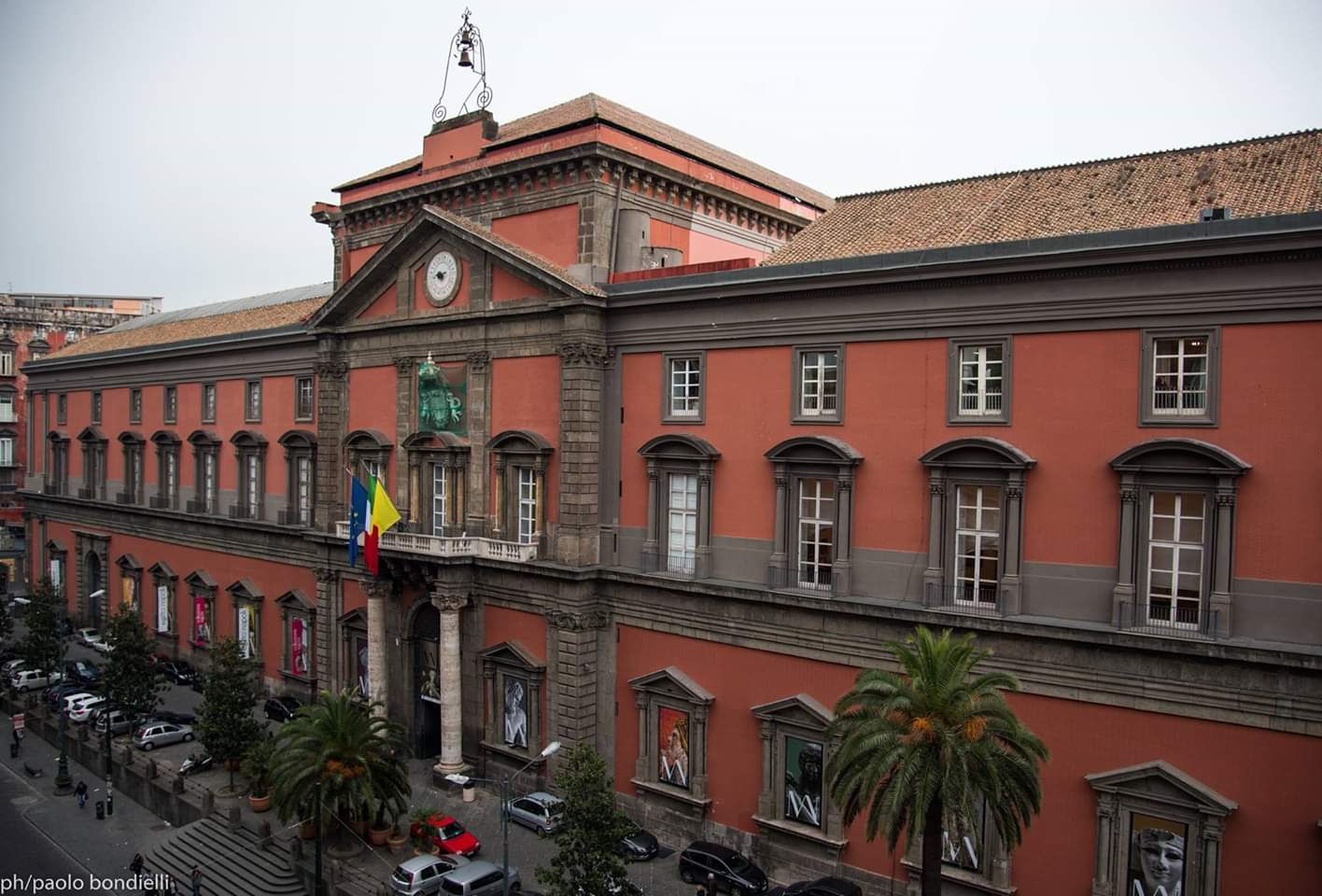
It is one of the most important museums in Naples. It houses the richest and most valuable collection of archaeological artifacts in Italy and is considered one of the most important archaeological museums in the world, if not the foremost, for the study of Roman history. Many exhibits feature Pompeian collections, including the famous mosaic and the statue of the Faun discovered in the eponymous house.
Copyright © 2018